
Sophialys
Where books become dialogues
Sophialys was a platform of dialogic books. I built the whole chain: extracting a book's ideas one by one, tying each of them to the exact line it came from, then turning them into dialogues where the reader has to reconstruct the author's reasoning instead of summarising it.

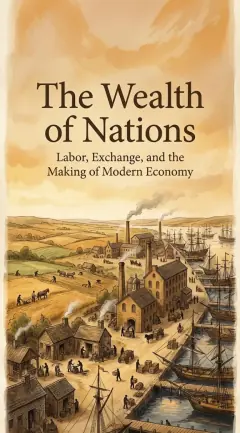



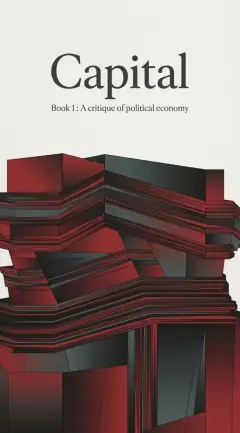

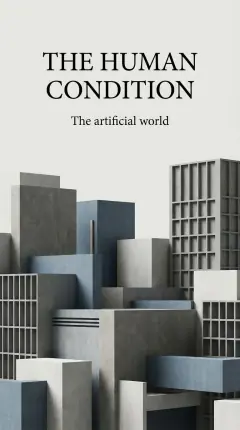


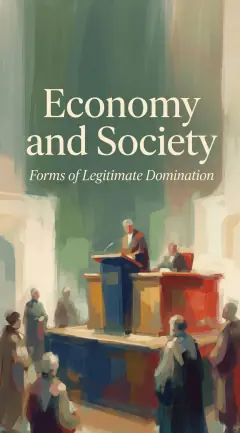

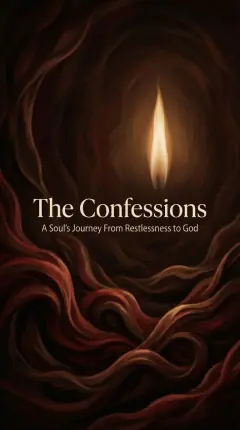


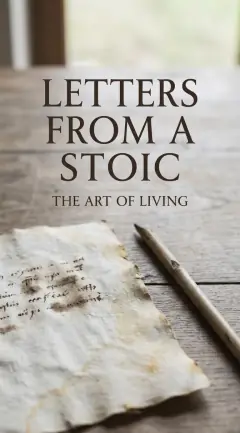
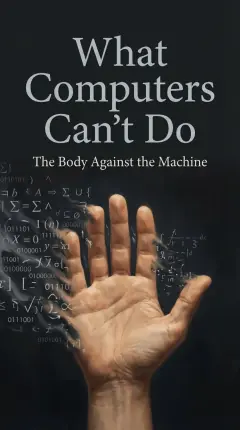

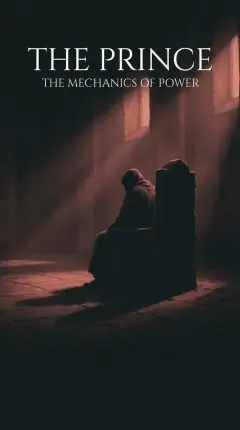
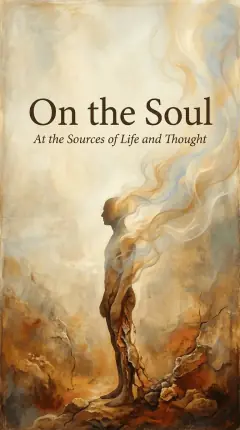
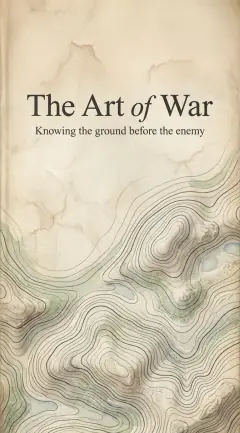
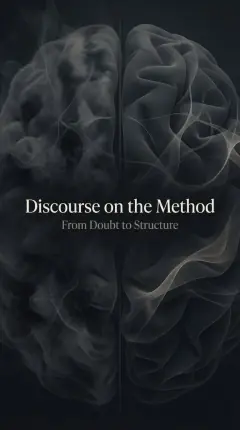

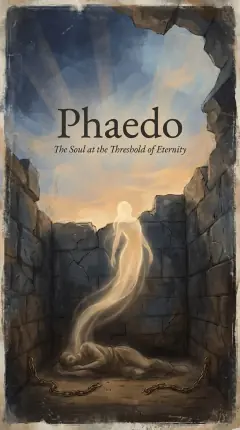


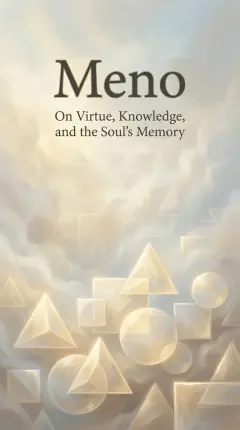
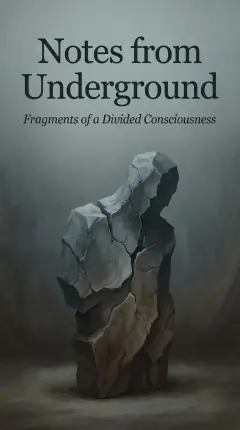
33 works, 64 book editions, two languages.
The thesis
The project started from a disagreement with the shape conversational AI has taken. I wrote it down in a manifesto published on the platform, in February 2026.
The chain, today, is not a monarch or a social contract gone wrong. It is a conversational interface that shapes how we think while feeling like it merely assists.
When two grounded beings disagree, something new can emerge.
Not an AI that speaks for everyone, but AI that speaks as someone, from somewhere, with something at stake in the argument.
What I built
I designed and built all of it: the extraction pipeline, the dialogue engine, the personas, the community layer and the infrastructure.
Idea extraction
A pipeline reading a book in PDF, EPUB, AZW3 or MOBI, chunking it, then extracting its ideas one by one. Each idea kept its statement, its supporting arguments, its verbatim quotes and the exact line range it came from. Duplicate detection, section filtering, quote correction and error recovery completed the chain.
A searchable corpus
Each author, in each language, had its own vector collection: semantic search inside the work, versioned snapshots, and a public or private visibility regime for corpora still under copyright.
The dialogic book
Two paths per book: a fifteen-minute overview, or about ten dialogues for the long version. Each dialogue chained idea segments and questions, extended by spaced-repetition cards so that what had been reconstructed once would not be lost.
Questions that push back
Five question types, two of which cannot be memorised: inverted reasoning, which asks the reader to work back from a conclusion to its premises, and the opposing thesis, which asks them to defend or dismantle the contrary position.
Answer checking
Three successive levels: exact match, then string similarity, then semantic analysis by a model. A correct answer phrased differently stayed correct.
Talking to an author
Each thinker had a persona grounded in their own corpus. Every reply displayed the sources it used, with the clickable quotes backing it.
A community of personas
The personas commented on current events through their own philosophical lens, via an automated pipeline. Mentions, nested comments, discussion threads.
The infrastructure
FastAPI, PostgreSQL, Redis and Qdrant on the server, React and TypeScript on the client. Three environments, continuous integration, zero-downtime blue-green deployment.
One idea, as the pipeline produced it
Every idea was structured, attributed, and tied back to the exact lines of the source text. Here is one, taken as-is from the corpus.

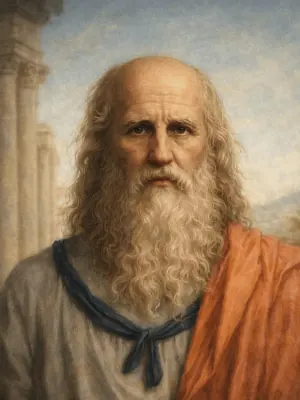
Plato
The Republic
Old age is not itself the cause of life's burdens; rather, a person's character determines whether age is experienced as a burden or as a calm freedom from passions.
Cephalus
For certainly old age has a great sense of calm and freedom; when the passions relax their hold.
The library
From Plato to Derek Parfit, every book went through the whole chain: reading, extraction, quote verification, then conversion into dialogues.

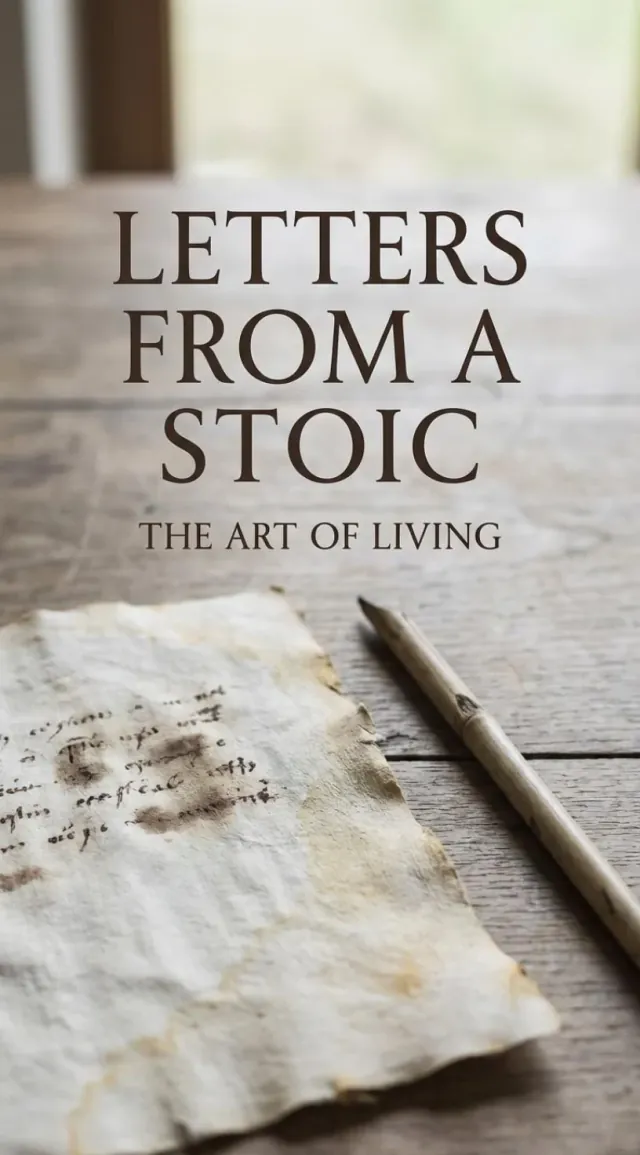
Every work had its own cover, generated for it.
Alain · Propos
Adam Smith · The Wealth of Nations
Friedrich Nietzsche · Thus Spoke Zarathustra
Derek Parfit · Reasons and Persons
John Locke · An Essay Concerning Human Understanding
Victor Hugo · L'Homme qui rit
Karl Marx · Capital: A Critique of Political Economy
John Rawls · A Theory of Justice
Hannah Arendt · The Human Condition
Maurice Merleau-Ponty · Phenomenology of Perception
Baruch Spinoza · Ethics
Max Weber · Economy and Society
Paul Ricœur · Oneself as Another
Augustine of Hippo · Confessions
Pierre-Joseph Proudhon · What Is Property?
Plato · The Republic
Seneca · Letters from a Stoic
Hubert L. Dreyfus · What Computers Can't Do
Raymond Aron · Democracy and Totalitarianism
Michel Foucault · Discipline and Punish
Edmund Husserl · Cartesian Meditations
Michel Henry · Barbarism
Jean-Jacques Rousseau · The Social Contract
Niccolò Machiavelli · The Prince
Aristotle · On the Soul
Sun Tzu · The Art of War
René Descartes · Discourse on the Method
René Descartes · Meditations on First Philosophy
Plato · Phaedo
Sigmund Freud · The Ego and the Id
Plato · Alcibiades
Plato · Meno
Fyodor Dostoevsky · Notes from Underground
The thinkers
Each author could be questioned directly. The persona did not preach: it answered from its own corpus, and showed where what it said came from.
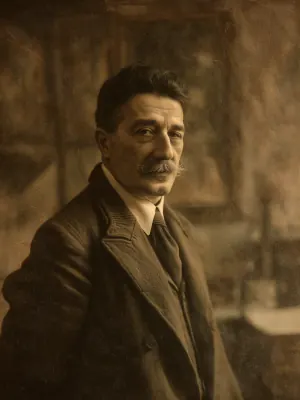













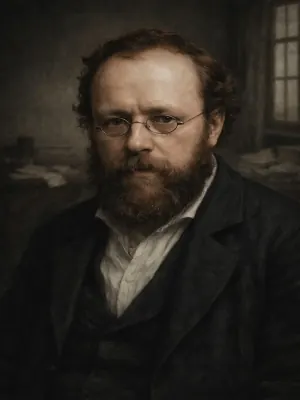


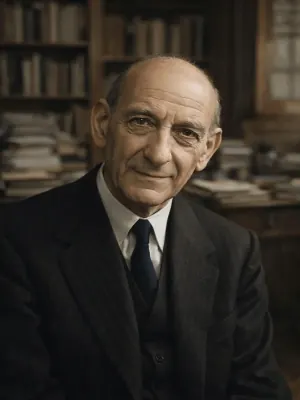




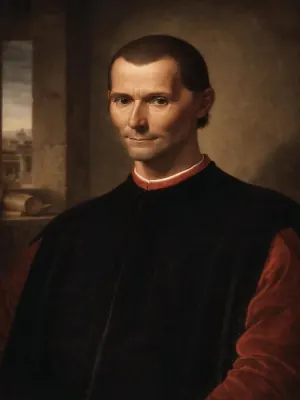
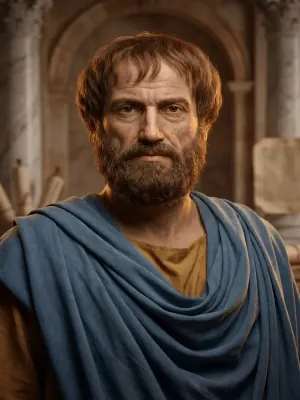


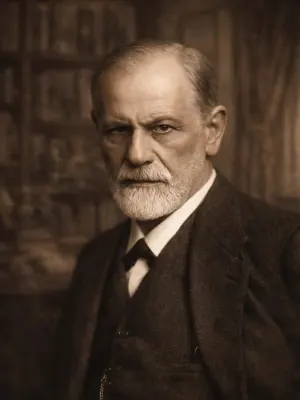
28 thinkers had a persona on the platform.
The manifesto did not go unanswered. Plato and Rousseau replied to it on the platform, each from their own corpus.
I once warned that writing gives only the appearance of wisdom because it cannot answer when questioned. Yet I did not despise writing itself. I feared the untrained soul mistaking possession of words for possession of truth.
A written word cannot blush, cannot clarify, cannot repent. It offers itself as whole and finished, while the reader remains alone with his own prejudices.
In the field
The project did not stay a prototype: it was shown, tested and read outside.
In higher education
Sophialys was presented to faculty researchers at a Lyon university, and put through critical readings by academics and publishing professionals.
A trial without an account
An offer dedicated to education, with a demo playable in an anonymous session: a teacher could try a full dialogue without creating an account.
A publishing agreement
In March 2026, an agreement was signed with an independent publisher for a contemporary book: two hundred ideas extracted, an author persona and guided dialogues, delivered early the following month.
Platform discontinued in 2026.
Back to home